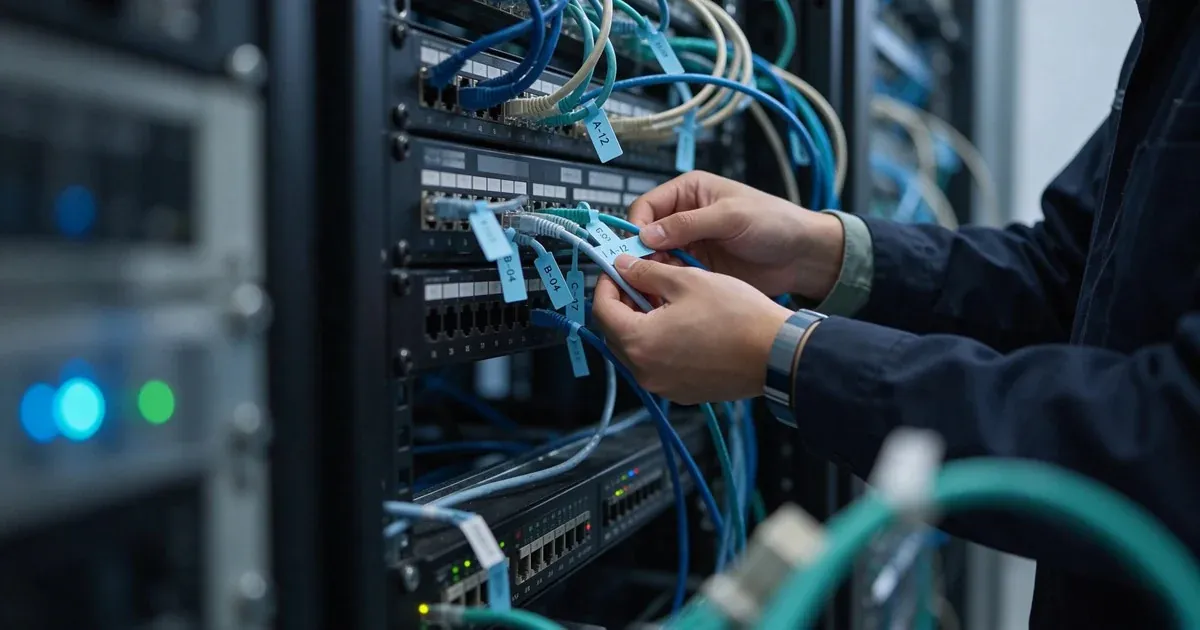
 One unmarked cable – and the whole floor goes dark.
A label has to survive a lot, so it’s worth understanding why it matters – and which NIIMBOT label printer will suit your racks.
Why Cable Labels Are Important
Where they actually live
Racks, patch panels, fiber boxes, and wiring closets.
What unlabeled cables cost
Every outage starts with a cable hunt, and one wrong pull makes the fix take twice as long.
What audits expect
Clear IDs and port names, still readable months later.
What Makes a Cable Label Fit the Job
It has to adapt to the environment
Friction, alcohol wipes, oil, damp air, and sunlight.
It has to fit thin and bundled cables
Flag and wrap formats that bend without peeling or blocking ports.
It has to stay readable when it’s small
Tiny text and scannable barcodes need real resolution.
Thermal or Thermal Transfer: Which Cable Label Maker?
Direct thermal
No ribbon needed. Cheap and quick, but the print fades with heat, sunlight, or solvents.
Thermal transfer
A resin ribbon bonds to PET, PP, or PVC, so the image holds up to wear instead of sitting on the surface.
Why it fits cable labels
Years of legibility on thin stock, indoors or out, from cold rooms to hot racks.
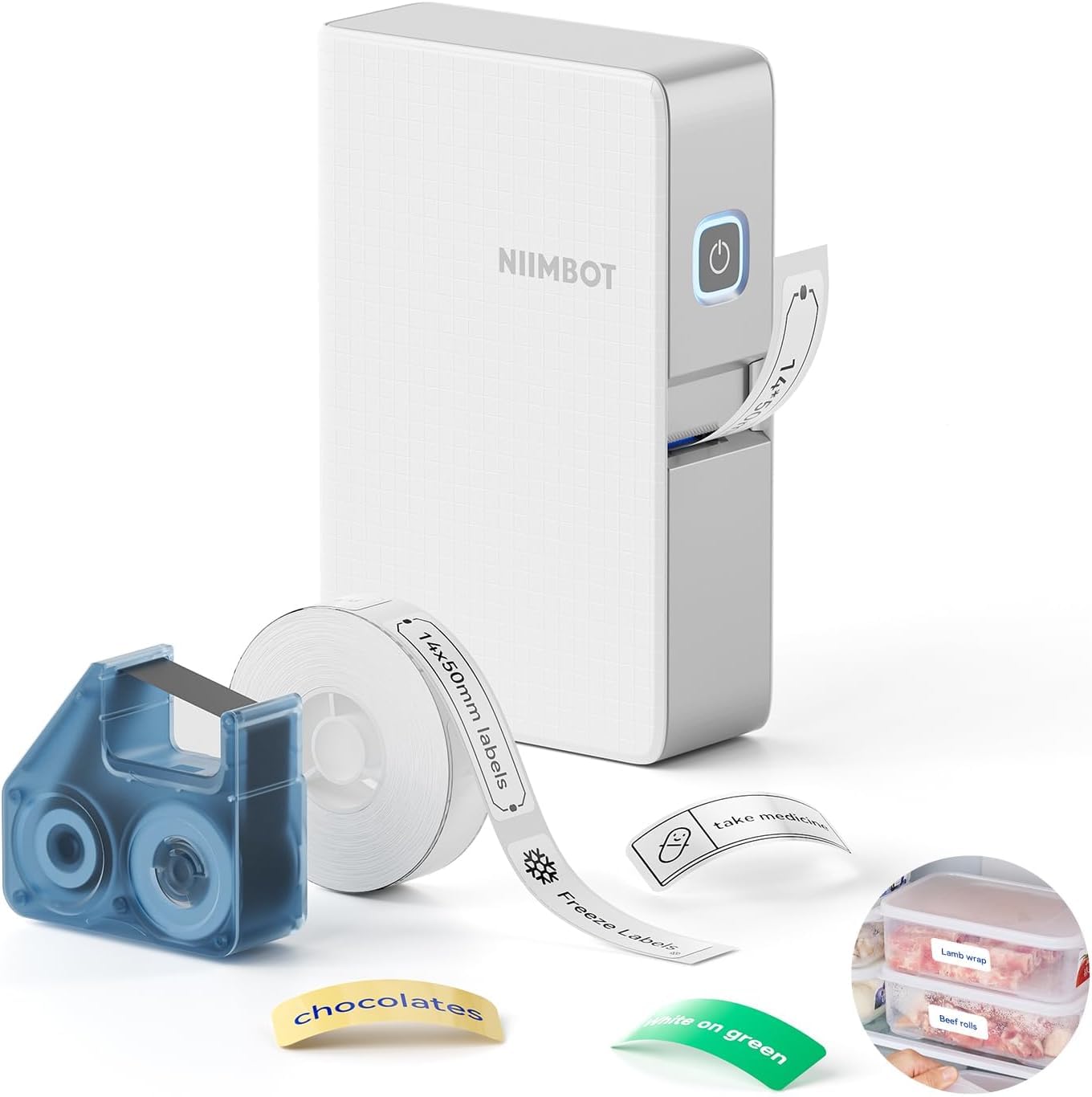
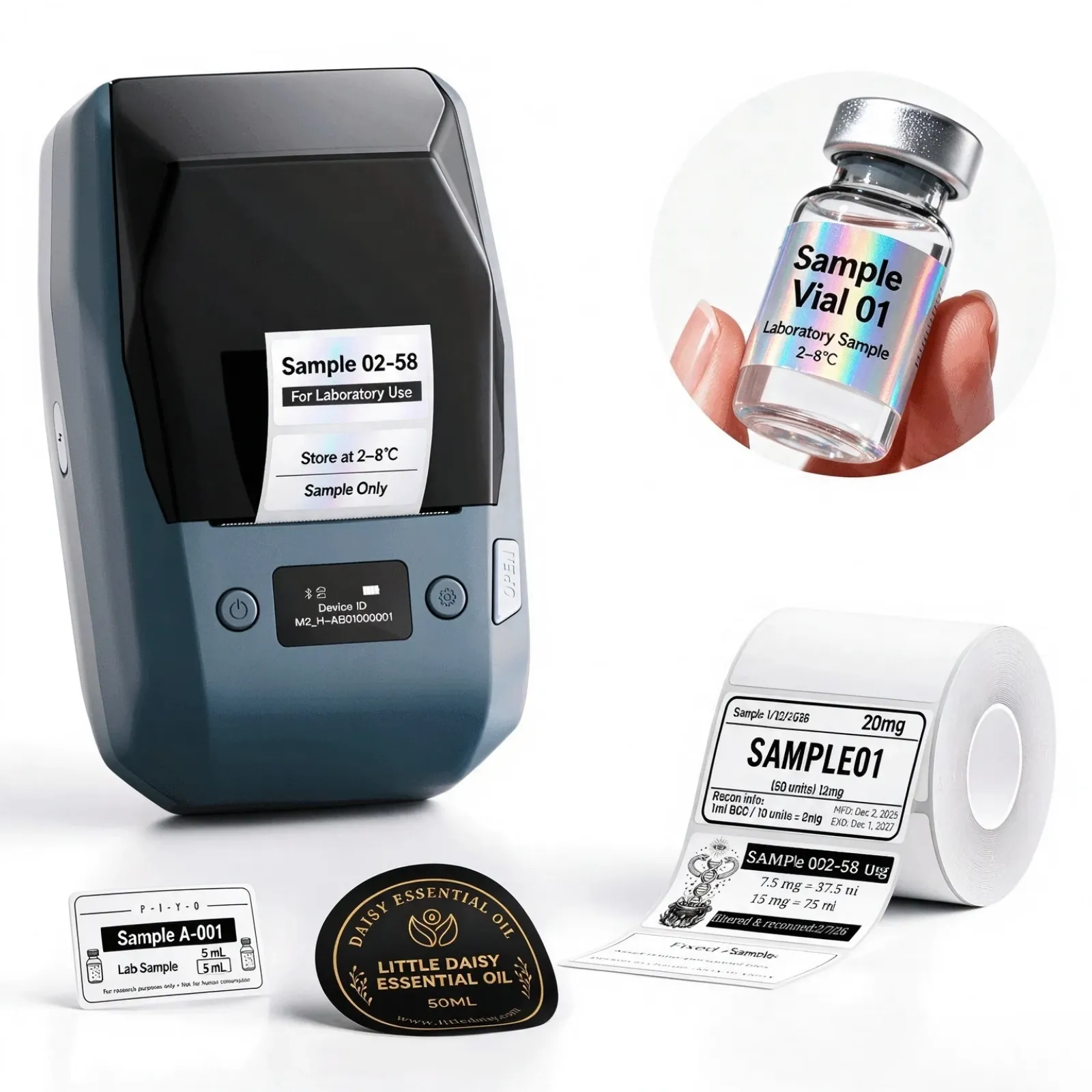
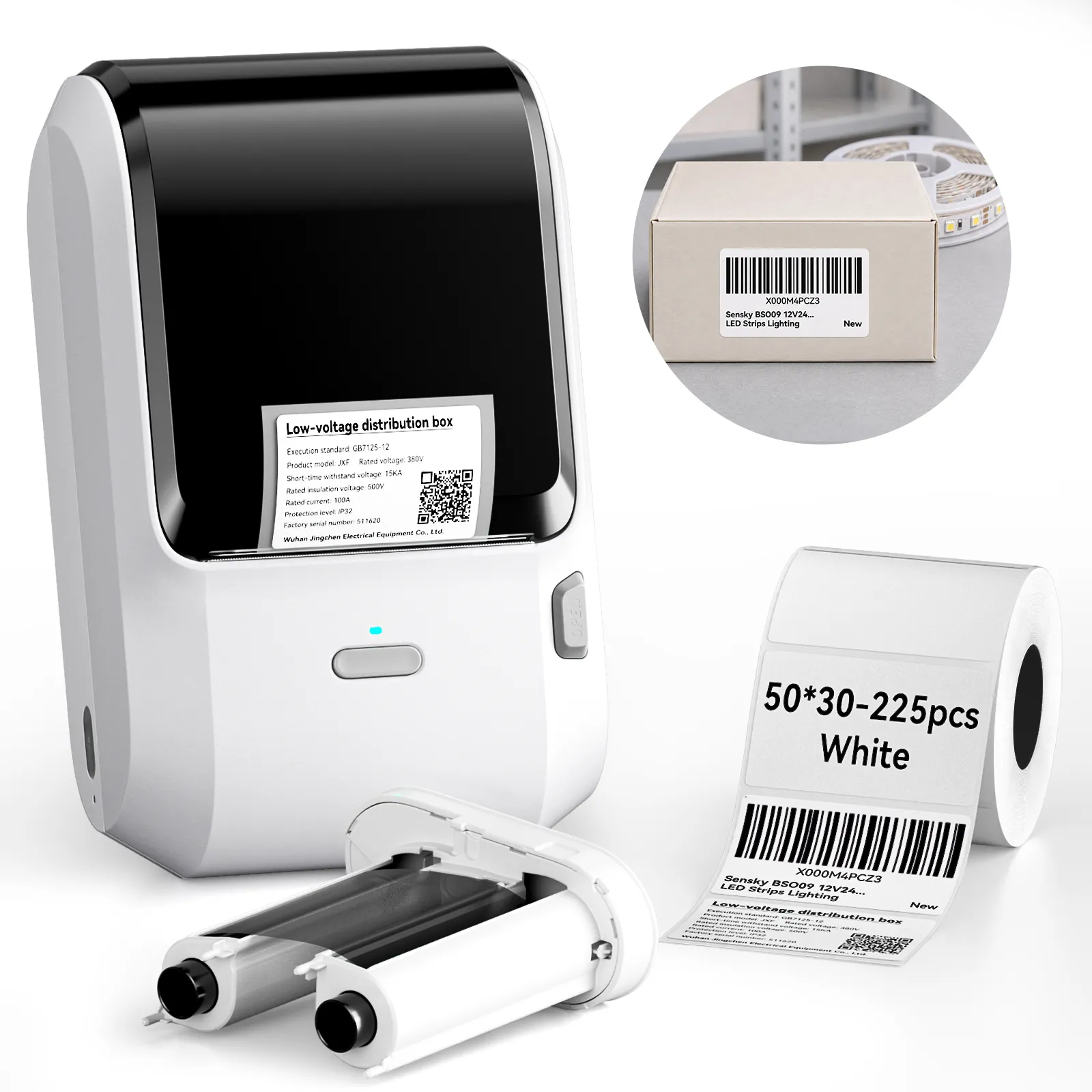
Which printer fits which task
FAQ
Can thermal printers be used for cable labels?
For temporary tagging, yes. But near heat, sunlight, or cleaning agents, the print fades quickly. If you’re labeling permanent infrastructure, thermal transfer is the safer choice.
What label size should I choose for cables?
Flags fit thin cords, wraps suit thicker bundles. Keep roughly 15–50 mm stock on hand and you can handle both.
Do I need different ribbons for different label types?
No. One ribbon covers white, silver, and clear PET. Swap it only when you want a different print color.
Label Once, Never Guess Again
Start with a rack, tag both ends, and build from there.
Shop NIIMBOT thermal transfer printers