A few herb pots on the windowsill, a row of tomatoes in the backyard, or seed trays waiting for their first sprouts — a home garden often starts small. Then you add a few more plants, try a new variety, and suddenly it becomes harder to remember what is growing where.
That is where garden markers come in. A simple label can tell you what you planted, which variety it is, or when you sowed the seeds. Whether you are growing herbs in pots or keeping a collection of houseplants, a little labeling can save time and prevent mix-ups later.
A More Organized Herb Garden
Herbs are easy to grow in small spaces. You might keep basil and parsley near the kitchen, while mint and rosemary sit on a balcony or windowsill. The trouble is that several pots can start to look alike, especially when the plants are young.
Keep Similar Herbs Easy to Tell Apart
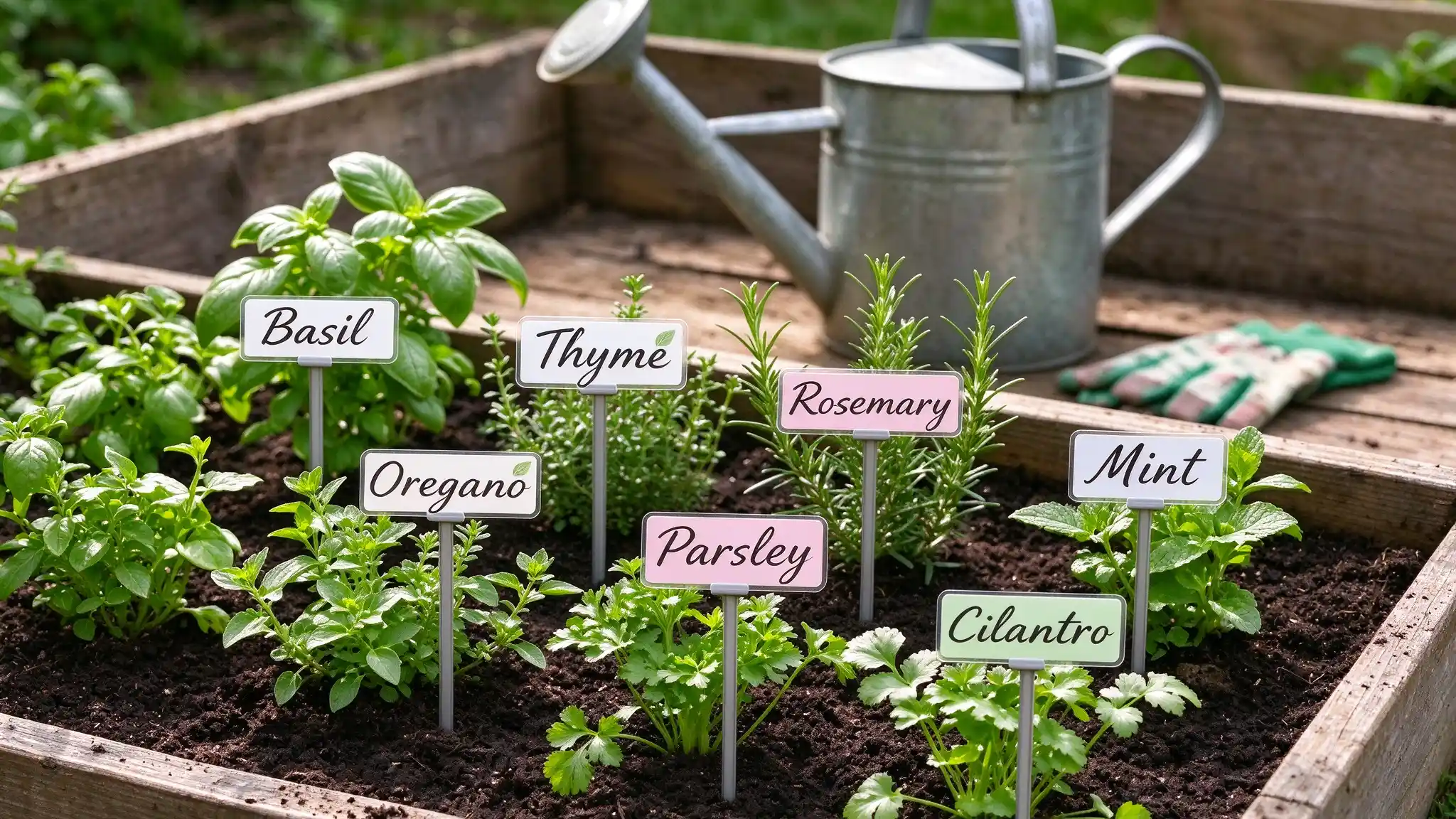
A label in each pot makes it much easier to tell your herbs apart. Write the name of each plant clearly — basil, mint, parsley, rosemary, or thyme — so you can reach for the right one when cooking.
Growing more than one variety? Add that detail to the label, too. Sweet basil and Thai basil may look similar at first, but they have different flavors and uses. Writing the full name saves you from having to guess later.
Add a Little Personality with Color
Plant labels do not have to look like plain tags stuck into the soil. A bit of color can make a group of herb pots feel more put together, especially if they sit somewhere visible in your kitchen or on a balcony.
If you like making small details your own, printed labels give you more room to play with the design. The NIIMBOT D110 lets you choose different fonts and small icons, as well as colorful label paper. A simple leaf icon next to the herb's name, for example, adds a decorative touch without making the label crowded.
Clear Plant Identification in Vegetable Gardens
In a vegetable garden, knowing the plant name is only part of the picture. You may have several tomato varieties growing in the same bed, or peppers planted in different spots. Keeping those details straight can be useful throughout the growing season.
Keep Track of Different Vegetable Varieties
Give each variety its own garden marker instead of labeling the whole bed with one general name. If you are growing cherry tomatoes, beefsteak tomatoes, and a few types of peppers, individual labels make it easier to identify each plant as it grows.
You can also write down the sowing or planting date, or note where a variety is located. Later in the season, those small details can help you compare growth, remember which plants produced well, and decide what you want to grow again next year.
Make Labels Easy to Spot and Read
A label is only useful if you can find it when you need it. Keep the wording short, use lettering that is easy to read, and place each marker where it will not disappear behind growing leaves.
Think about the size of the space, too. A larger marker may work well at the end of a vegetable row, while a small label is usually enough for a single pot or container. You do not need the same size for every part of the garden.
It is also worth thinking about the conditions outside. Sunlight, rain, and temperature changes can affect how long a label stays readable and attached. Check that the material is suitable for the weather and the surface where you plan to use it.
Better Seedling Management for Small Gardens
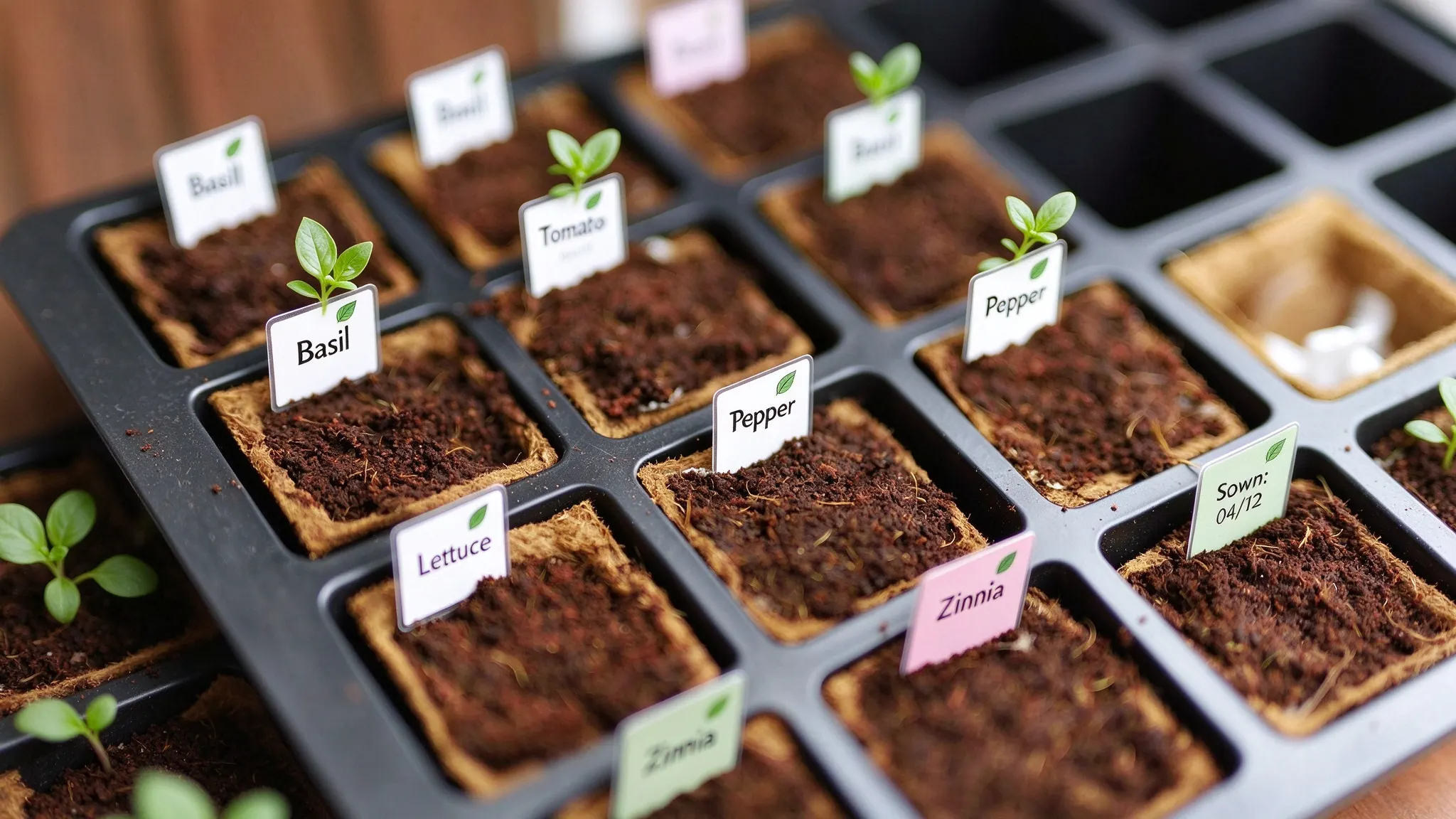
Starting plants from seed is satisfying, but seed trays can become confusing surprisingly quickly. When several varieties are growing side by side, they may look almost identical before their true leaves appear.
Label Seed Trays as Soon as You Sow
Add a label when you plant the seeds, not a few days later. Include the plant name and sowing date so you have a record from the beginning. This is especially helpful if you start several batches at different times.
Handwriting a whole set of labels can take longer than expected. With the NIIMBOT D110, you can prepare labels in a consistent format, with the plant names and sowing dates laid out clearly. Having them ready before you fill the trays makes the planting process feel a little more organized.
Use Color to Group Different Seeds
Color can help when you have several trays on the same shelf or under a grow light. For example, you could use one color for vegetables, another for herbs, and a third for flowers.
The point is not to create a complicated code that you have to memorize. Choose a few colors and use them consistently. When you glance across the shelf, you will be able to spot the group you need without reading every label.
Simple Labels for Indoor Plants
Indoor plants need labels, too. If you have pots on a desk, shelf, or windowsill, it is easy to forget the name of a new addition — especially when several plants have similar leaves.
Give Each Plant a Clear Identity
For most houseplants, the plant name is enough. If you have a few similar succulents or foliage plants, a small label helps you keep track of each one.
You can add a short care reminder if it is useful, such as "bright indirect light" or "water when dry." Keep it brief. The label is there to jog your memory, not replace a full plant-care guide.
Keep the Look Simple
Labels are part of the display, so they should not compete with the plants themselves. Choose a size that fits the pot and keep the wording neat.
Transparent labels are worth considering if you want the name to show without adding much visual clutter. Using a consistent style across several pots can also make a shelf or windowsill look more intentional.
Build a Labeling System That Works for Your Garden
You do not need to label every detail or use the same style everywhere. Start with the information you are most likely to forget: the plant name, variety, or sowing date. Add more only when it genuinely helps.
Match the Label Style to the Plant
Different parts of your home garden may look better with different labels. Colorful labels can bring some personality to herb pots, while white labels are a straightforward choice for seed trays and vegetable containers. For indoor plants, transparent labels can keep things understated.
Having a few options makes it easier to choose a style for each space. The NIIMBOT D110 supports white, colorful, and transparent label paper, so you can create labels that suit different pots and containers instead of making everything look the same.
Think About Where the Labels Will Go
Before choosing a label, consider where you plan to put it. A label on an indoor pot may not face the same conditions as one used in an outdoor vegetable garden.
Think about the surface, moisture, sunlight, and temperature changes it may encounter. If a label will be outdoors, check the product specifications to make sure the material is suitable for that environment. Not every label is designed for prolonged exposure to rain or strong sunlight.
If your home garden setup already uses pots, seed trays or planters, adding clear labels can make the whole thing easier to maintain. The NIIMBOT D110 is one option if you want quick, neat plant labels without making your garden look busy.
 Frequently Asked Questions
Q1:What Information Should You Put on Garden Markers?
A:Start with the plant name. Depending on your needs, you can also add the variety, sowing date, planting location, or a short care reminder. For seedlings and vegetable gardens, dates and variety names can be especially useful.
Q2:What Type of Plant Labels Are Best for Pots and Outdoor Gardens?
A:For indoor pots, small labels that fit the container without distracting from the plant are usually a good choice. Outdoor labels need materials suited to the local weather and the surface they will be attached to. Check the product specifications before using them in areas exposed to frequent rain or strong sunlight.
Q3:Can You Use a Label Maker to Make Garden Markers?
A:Yes. A label maker can help you create clear, consistent labels without handwriting every plant name. Different label colors and styles can also help you organize herb pots, seed trays, vegetable containers, and indoor plants. Just make sure the label material is suitable for where you plan to use it.