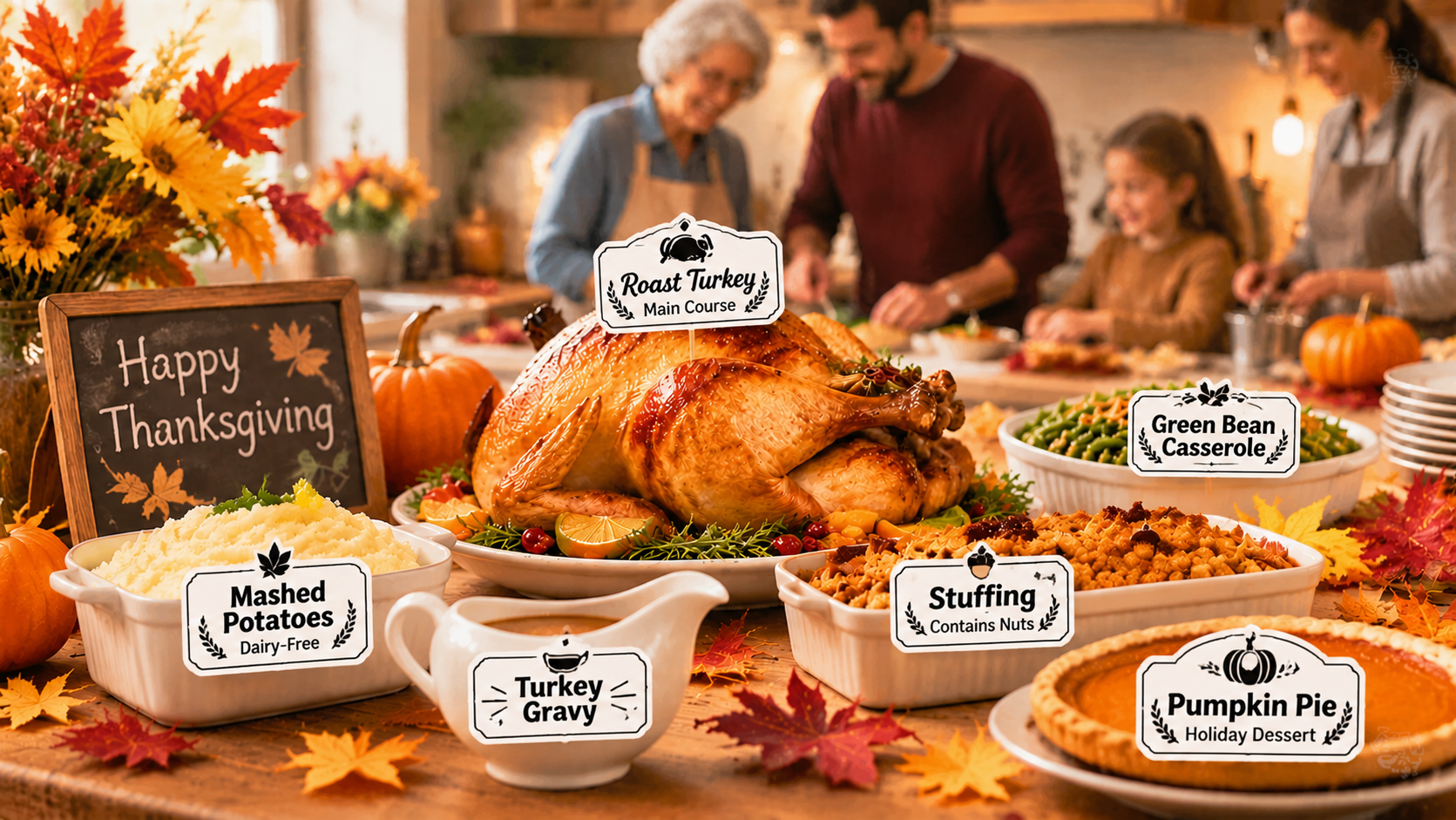
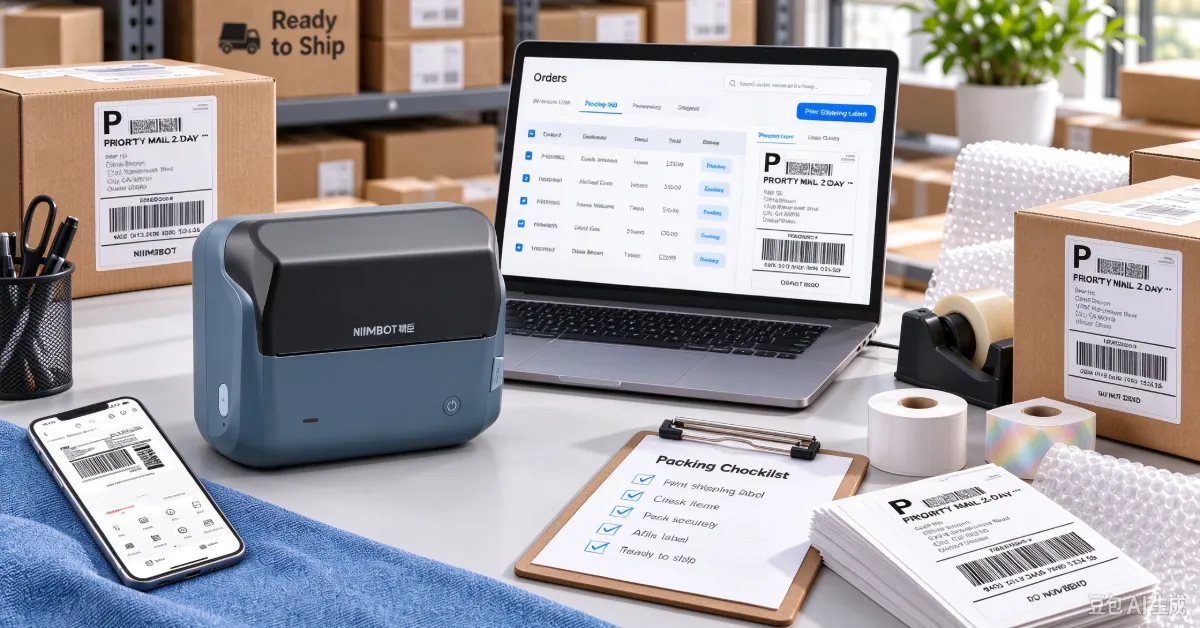
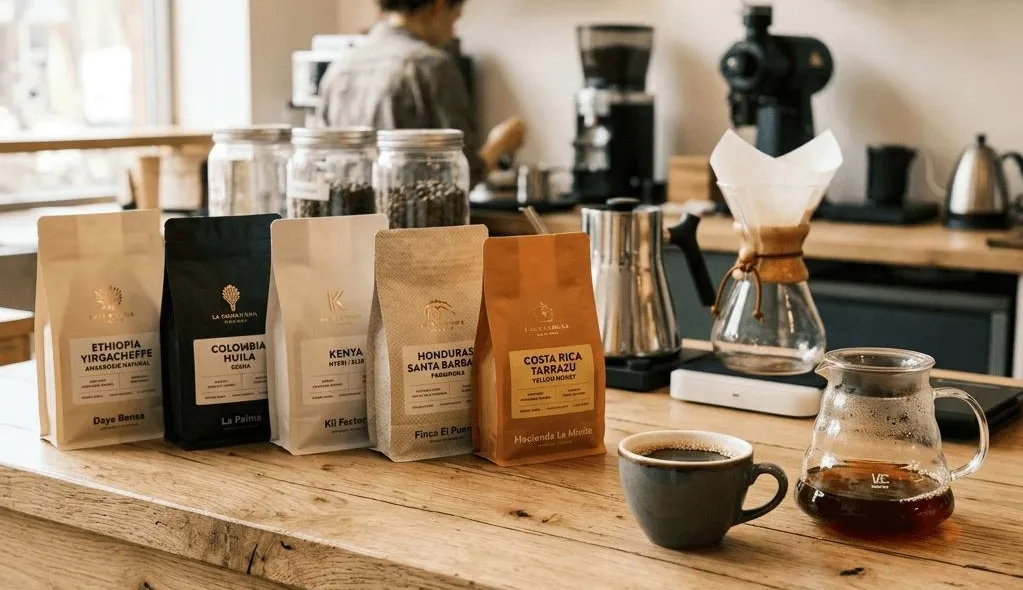
A well-organized kitchen starts with clear labels. Whether you run a busy restaurant or simply want a tidier pantry, the right Food Labels for Kitchen can help you identify ingredients, track preparation dates, and keep food storage under control. In this guide, we'll explore practical label design ideas, what to look for in a portable printer, and two NIIMBOT options for commercial and home kitchens.
1. Why Food Labels Matter in Every Kitchen
A well-organized kitchen starts with knowing what's inside every container and when food should be used. Whether you're running a busy restaurant or simply keeping your home pantry tidy, clear food labels make everyday cooking easier, safer, and less stressful. Here's why they're worth adding to your routine.
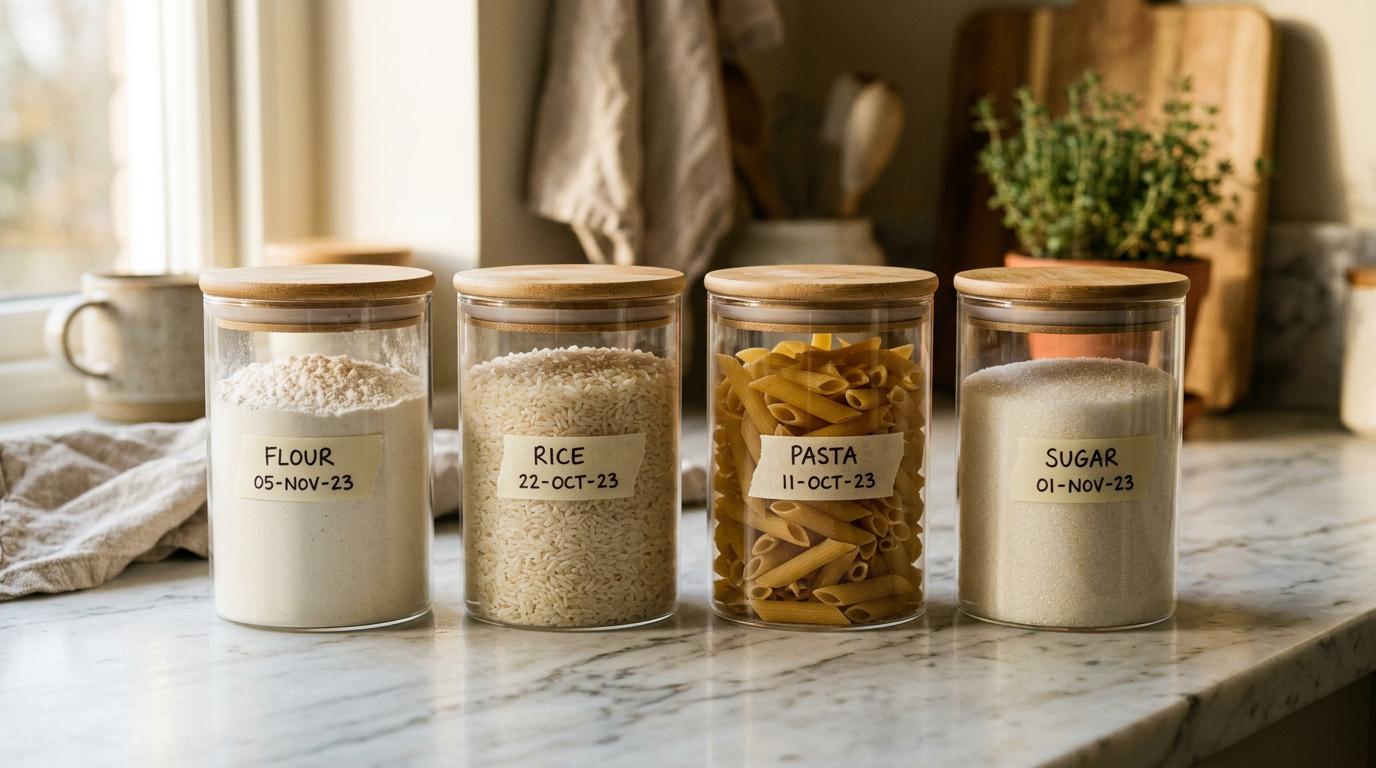
1.1 Keep Ingredients Easy to Identify
Have you ever opened the fridge and found several containers that all look the same? Food labels solve this little everyday problem. Adding ingredient names to jars, storage boxes, and food containers helps everyone quickly find what they need without opening every lid. In commercial kitchens, this is especially useful when multiple staff members share ingredients and preparation areas.
Find flour, grains, spices, and other ingredients at a glance.
Keep food containers and storage areas clearly categorized.
Spend less time checking containers and searching for ingredients.
1.2 Track Preparation Dates and Freshness
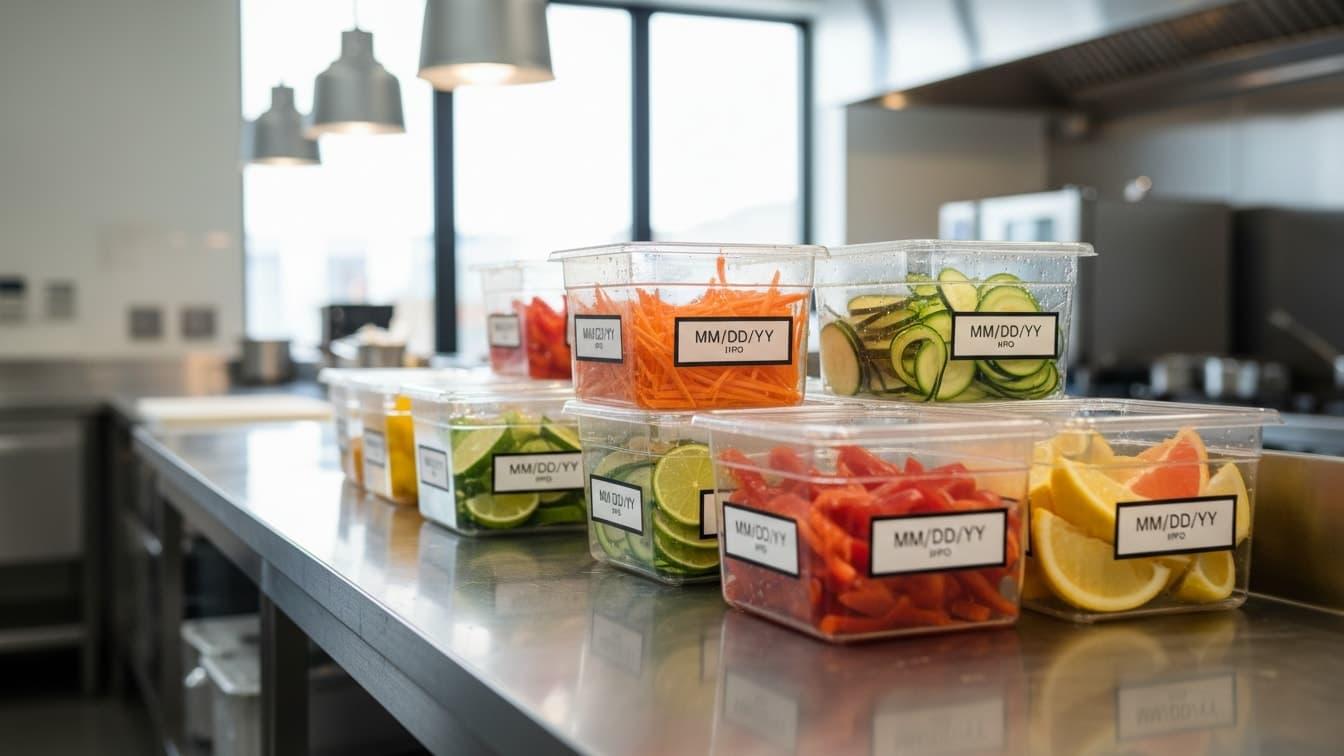
Knowing when food was prepared is just as important as knowing what it is. Labels can include preparation dates, use-by dates, and storage information, making it easier to keep track of ingredients and prepared meals. For restaurants, this supports more consistent food rotation. At home, it helps you quickly see which leftovers or pre-cut ingredients should be used first.
Chopped Carrots
Nov 13, 2026
Nov 15, 2026
Illustrative example only. Actual storage periods depend on the food and applicable food safety guidance.
1.3 Create a Cleaner, More Organized Kitchen
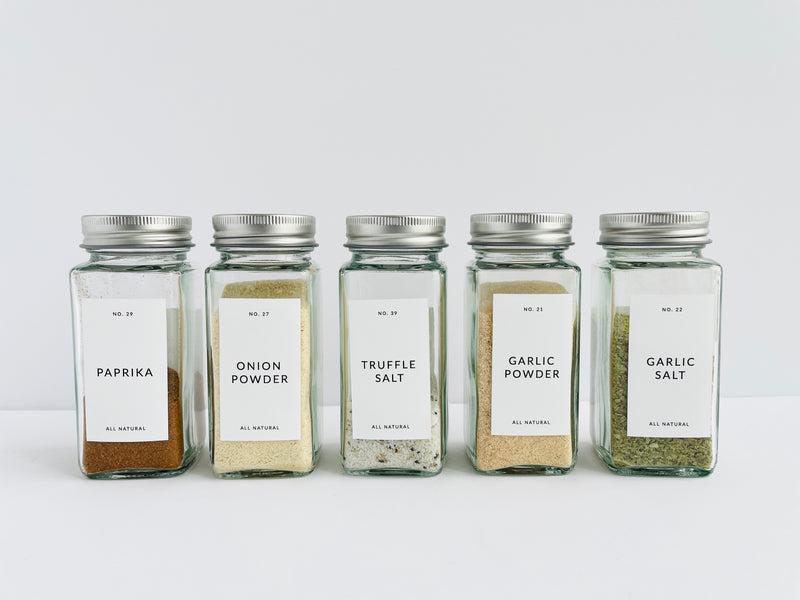
A kitchen doesn't need expensive storage systems to look organized. Sometimes, matching labels on containers, shelves, and pantry jars make all the difference. Consistent label designs help create a neat appearance while making ingredients easier to locate. You can also use different label colors or categories for baking supplies, spices, dry goods, and prepared foods.
- Use matching labels across similar storage containers.
- Group ingredients by category.
- Choose consistent fonts and label sizes.
- Keep frequently used ingredients easy to identify.
2. How to Design Practical Food Labels for Kitchen Storage
A good kitchen label should look clean, but appearance isn't everything. The most useful labels communicate important information at a glance and are easy to read in a busy environment. Before printing your own, think aboutwhat information you actually need and how your labels will be used.
2.1 Include the Right Information
Start with the basics: ingredient or food name, preparation date, and expiration or use-by date when applicable. Commercial kitchens may also need batch numbers, allergen information, or staff initials depending on their operating procedures. For home kitchens, a simple name and date are often enough. Avoid squeezing too much text onto a small label.
2.2 Choose Readable Fonts and Simple Layouts
Kitchen labels are often read quickly, sometimes under busy or low-light conditions. That's why simple fonts, strong contrast, and clear spacing matter. Use larger text for the food name and smaller text for supporting details such as dates or storage instructions. You can add small icons or color accents to distinguish different food categories, but don't let decoration compete with readability.
- Use clear, readable fonts.
- Make food names prominent.
- Leave enough white space.
- Use consistent formatting.
- Use too many decorative fonts.
- Cram in unnecessary details.
- Choose low-contrast colors.
- Make important text too small.
2.3 Pick Label Materials That Suit Kitchen Conditions
Kitchen labels face more challenges than ordinary office labels. They may come into contact with moisture, oil, frequent handling, refrigeration, or temperature changes. Think about where each label will be placed before choosing the material. Labels for dry pantry jars may have different requirements from those used on refrigerated food containers. Choosing suitable label materials helps keep information readable and labels attached during everyday kitchen use.
Before buying label rolls in bulk, test a small number on the actual containers and surfaces you plan to use. Check adhesion, readability, and performance under the expected storage conditions.
3. What to Look for in a Portable Food Label Printer
Once you've figured out what your labels should say, the next step is finding a printer that fits your kitchen routine. A compact printer can be convenient for both home cooks and professional food preparation teams, but not every model offers the same printing method, label compatibility, or durability. Here are a few features worth comparing.
3.1 Printing Quality and Label Size
Clear printing makes a real difference when labels contain small text, dates, or product details. Look for a printer with enough resolution to produce readable information and support the label sizes you actually need. Small labels work well for spice jars and compact containers, while wider labels provide more room for ingredient names, dates, and additional details.
Ideal for spice jars, small containers, and compact storage boxes.
Useful for food containers with names and preparation dates.
Offer extra room for multiple details and storage instructions.
3.2 Durable Labels for Everyday Use
A label that looks great when first printed isn't very helpful if the text fades or the paper becomes damaged after a few days. For kitchen use, consider whether the printer supports labels designed to resist water, oil, scratches, and regular handling. If you label containers stored in refrigerators or freezers, check that the compatible label materials are suitable for those conditions.
3.3 Easy Connectivity and Convenient Printing
You don't want to spend more time setting up a printer than actually labeling your food. Bluetooth connectivity and a user-friendly mobile app can make the process much simpler. Look for useful features such as editable templates, fonts, icons, date fields, and batch printing. These options are particularly helpful when you need multiple labels for ingredients, meal-prep containers, or storage shelves.
Design your label
Use your phone
Print when needed
4. Recommended Portable Food Label Printers for Home and Commercial Kitchens
Different kitchens have different needs. A restaurant may need durable labels, batch printing, and flexible ingredient identification, while a home kitchen may simply need an easy way to organize jars, containers, and pantry shelves. Rather than looking for one printer for every situation, it's better to choose a model that matches your daily routine.
Commercial Kitchen
Frequent labeling, food preparation records, durable labels, and batch printing.
Recommended: M2Home Kitchen
Pantry organization, spice jars, food containers, and everyday storage.
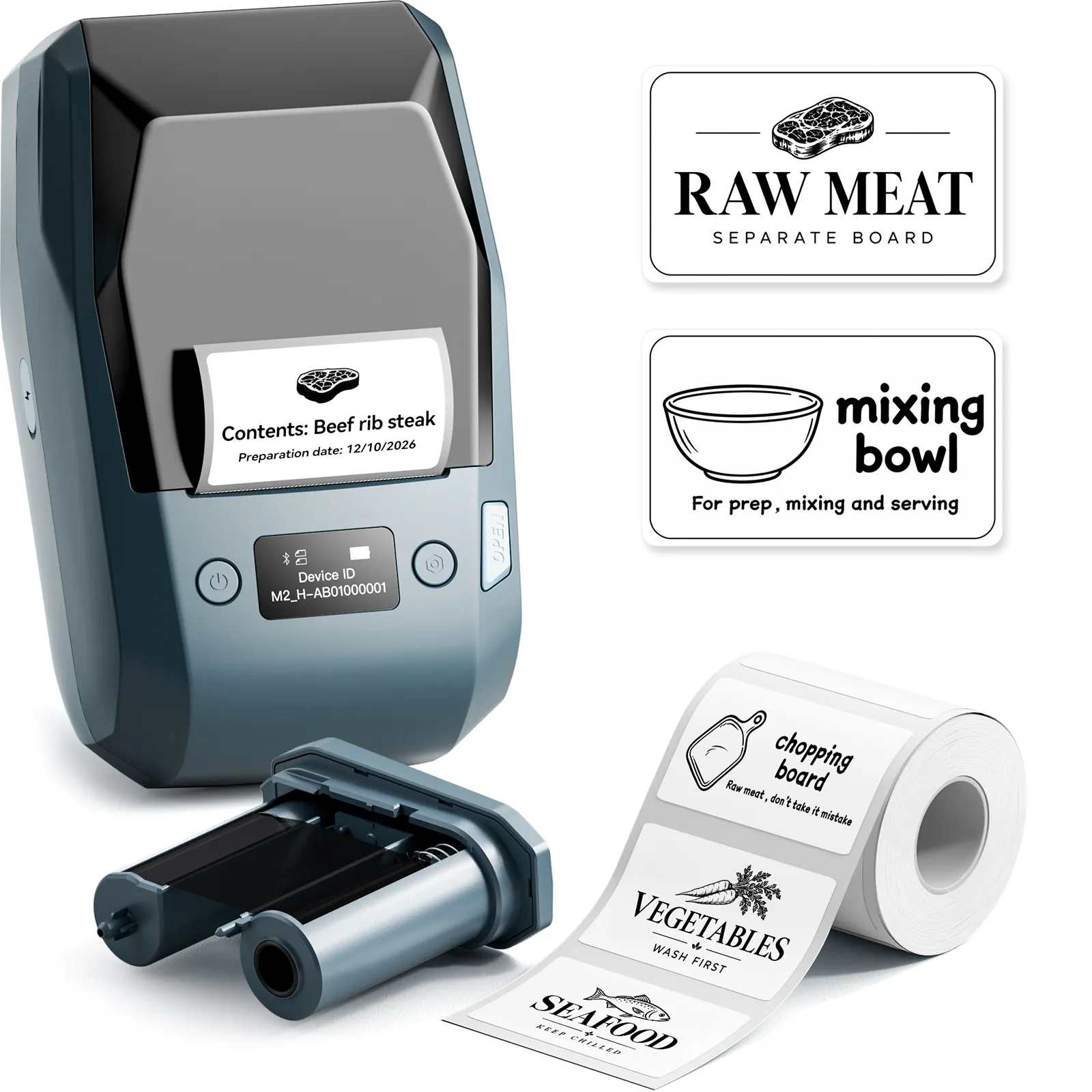
Recommended: B214.1 NIIMBOT M2 – Built for Commercial Kitchen Food Prep
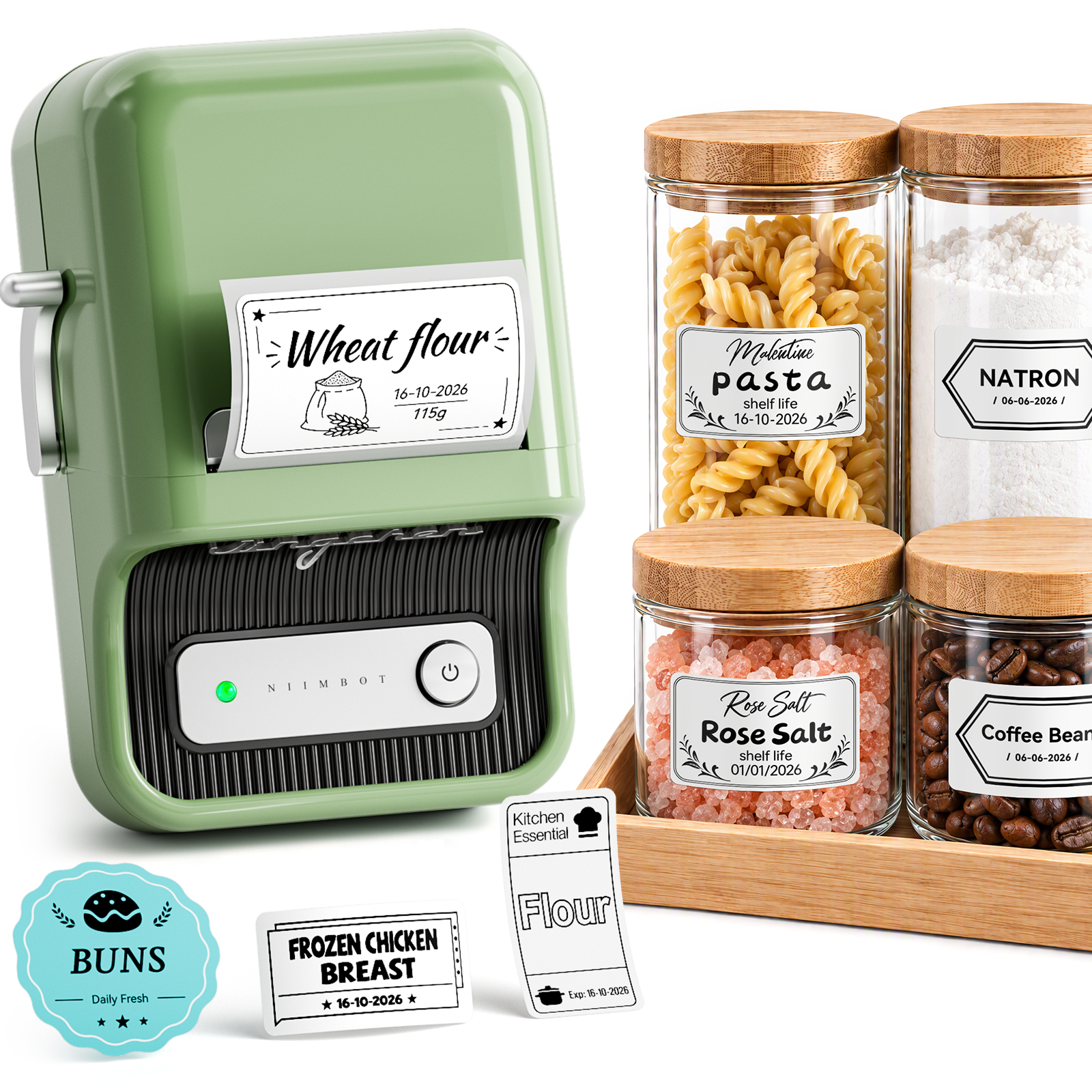
4.2 NIIMBOT B21 – A Simple Labeling Solution for Home Kitchens
4.3 M2 vs. B21: Which One Should You Choose?
Not sure which printer fits your kitchen? The easiest way to decide is to start with how often you print labels and where you'll use them. The M2 is more suited to professional food preparation, while the B21 is a simpler choice for everyday home storage.
| Feature | NIIMBOT M2 | NIIMBOT B21 |
|---|---|---|
| Best for | Commercial kitchens | Home kitchens |
| Printing method | Thermal transfer | Direct thermal |
| Resolution | 300 DPI | 300 DPI |
| Label width | 20–50 mm | 20–50 mm |
| Connectivity | Bluetooth, USB | Bluetooth, USB |
| Key advantage | Durable labels and batch printing | Convenient ink-free labeling |
Choose the M2 if you regularly prepare food in a commercial kitchen and need more durable labeling options. Choose the B21 if your main goal is making home food storage and pantry organization easier.
Frequently Asked Questions
1. Can I use portable food label printers for labeling homemade sauces and jams?
Yes. You can create labels for homemade sauces, jams, dressings, and other stored foods. Include the product name, preparation date, and any other useful details. Make sure the label material is suitable for the container surface and storage conditions.
2. Can I print different food labels in one batch?
This depends on the printer and its app. Some models support batch printing, allowing you to prepare several different label designs or repeat the same label multiple times. This can be especially useful when organizing a large number of ingredients or food containers.
3. Do I need special labels for food containers that are washed frequently?
If containers are washed frequently, choose compatible labels specifically designed for repeated moisture exposure and handling. Always check the label material's care instructions and test it on your actual containers before using it throughout the kitchen. A water-resistant label should not automatically be assumed to be dishwasher-safe.
Make Every Kitchen a Little More Organized
From professional food preparation to everyday pantry storage, discover practical labeling solutions designed to make organization easier.
Explore NIIMBOT Products →