🍪 Cooking tasty homemade snacks, pies, or cookies is a wonderful hobby that can grow into a rewarding small business. But delicious food deserves packaging that looks just as good!
The right packaging protects your products, helps customers recognize your brand, and creates a more professional presentation. And you don't need to spend a fortune to achieve that. With thoughtful packaging choices and a reliable food label printer, you can give your homemade products a polished look without making things complicated.
1. Packaging for Homemade Food
First, let's talk about packaging. Different homemade products need different types of containers. Choosing the right packaging helps keep food fresh, makes transportation easier, and gives customers a better experience. Here are some practical ideas for popular homemade foods.
🍪 Packaging for Cookies, Cakes, and Baked Goods
If you sell cookies, brownies, cupcakes, or homemade bread, choose packaging that protects the food while showing it off. Transparent food-safe bags, paper boxes, bakery containers, and cake boxes are all great options.
Use sealed transparent bags or small paper boxes to keep treats protected and easy to display.
Choose sturdy bakery containers that prevent delicate toppings and decorations from getting crushed.
Paper bags and suitable food packaging offer a simple, natural presentation.
Once the packaging is ready, add a branded sticker or label to give each product a recognizable finishing touch.
🍯 Packaging for Jams, Sauces, and Homemade Drinks
Jams, sauces, honey, and homemade drinks need containers that can handle moisture and help prevent leaks. Glass jars are a lovely choice for jams and honey, while food-grade bottles work well for many sauces and beverages.
- Choose containers suitable for the food product.
- Make sure lids close securely.
- Check that the container is suitable for the intended storage conditions.
- Add a neat front label showing the product name and flavor.
A simple, well-designed label can make a jar of homemade strawberry jam or a bottle of special sauce look much more appealing.
🥜 Packaging for Snacks and Dry Food
For granola, nuts, dried fruit, spices, and other dry foods, resealable pouches and food-grade bags are practical choices. They're lightweight, easy to store, and convenient for customers who want to keep their food fresh after opening.
| Packaging Type | Best For | Appearance |
|---|---|---|
| Kraft paper pouches | Granola, nuts, dried fruit | Natural and rustic |
| Clear food bags | Cookies, snacks, candies | Simple and transparent |
| Resealable pouches | Spices and dry snacks | Practical and tidy |
Don't forget to add a nicely organized label with the product name and other necessary information to complete the package.
2. What Should You Include on Homemade Food Labels?
Packaging protects your products, but labels help customers understand what they're buying. A good food label should be simple, easy to read, and consistent with your brand. Before designing one, think about your product, your customers, and the labeling rules that apply to your business.
🏷️ Product Name and Ingredient Information
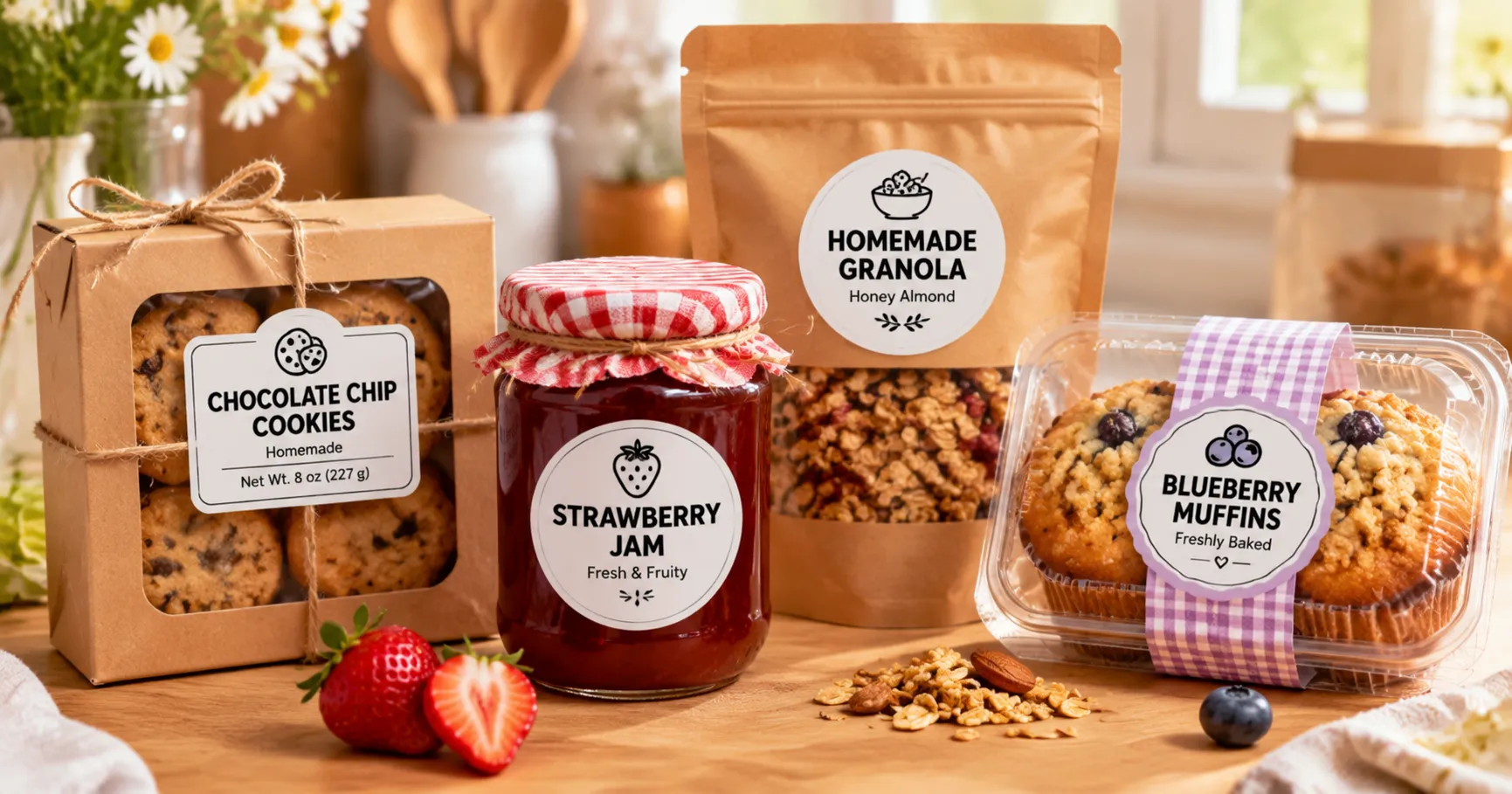
Start with a clear product name. Instead of using a vague description, tell customers exactly what they're buying. For example, Chocolate Chip Cookies, Strawberry Jam, or Homemade Granola are much more helpful than simply writing "Homemade Treats."
Ingredient information is especially important for customers with food allergies or dietary restrictions. List ingredients accurately and check applicable local requirements for ingredient declarations and allergen disclosures. Keep everything readable instead of squeezing too much text into a tiny label.
📅 Dates, Storage Instructions, and Shelf Life
Customers often want to know how long homemade food can be kept and how it should be stored. Depending on the product, you may want to include a preparation date, best-before date, or storage instructions such as "Keep Refrigerated" or "Store in a Cool, Dry Place."
Product: Homemade Strawberry Jam
Prepared On: MM/DD/YYYY
Storage: Keep Refrigerated After Opening
This is an illustrative layout. Actual shelf-life and storage instructions should be based on the specific food product and appropriate safety assessment.
Clear date and storage details help customers handle your products with greater confidence.
🏡 Brand Name, Contact Details, and Net Weight
Your label is also a small piece of brand communication. Include your business name or logo so customers can recognize your products and remember where they bought them. Depending on applicable regulations, you may also need to provide producer contact details, a business address, or net quantity.
Help customers recognize you.
Make it easier to find your business.
Show how much product is inside.
Try to arrange the information in a clear hierarchy. Make the product name stand out, keep important details readable, and use consistent fonts and colors across your product range.
3. Make Your Homemade Food Packaging Look Professional
Good packaging doesn't have to be expensive or complicated. A consistent design, a few carefully chosen colors, and well-placed labels can make a small homemade food business look much more established. The goal is to create packaging that customers recognize and enjoy receiving.
🎨 Use Consistent Design for Branding
Choose two or three brand colors and use them across your packaging, labels, and promotional materials. For example, a home bakery might use warm beige, brown, and cream, while a jam producer could choose red and green.
Home Bakery
Warm and cozy
Homemade Jam
Fresh and natural
Healthy Snacks
Simple and earthy
Keep your logo, product name, and label layout consistent so customers can recognize your products at a glance. You can still use different colors or small illustrations to distinguish individual flavors without losing your overall brand identity.
📏 Choose the Label Size and Placement
A label should fit the packaging naturally. A small jar may only need a compact front label, while a larger pouch can accommodate more product information. Before printing a whole batch, measure the available surface and test how the label looks on the actual container.
- The available label area on the container.
- Whether the label fits around curved surfaces.
- Whether important information is hidden by folds or seals.
- Whether the label material suits the storage environment.
Also consider the material. Labels used on refrigerated products or containers exposed to moisture should be chosen for the conditions they'll face.
💌 Add Small Details That Make Customers Remember You
Sometimes it's the little things that make homemade products feel special. A small thank-you message, a QR code linking to your online store, or a simple flavor illustration can add personality to your packaging.
Add a friendly personal touch.
Connect customers to your online store.
Make flavors and products recognizable.
You could also include a social media handle so customers can share their purchases and find you again. Just remember to keep the design balanced. A label should look attractive, but its most important job is still to communicate useful product information clearly.
4. Make Food Packaging Easier with the NIIMBOT B1 Food Label Printer
Once you start selling homemade food regularly, writing labels by hand can become repetitive and time-consuming. A compact food label printer makes it easier to produce consistent labels for different products, flavors, and package sizes. The NIIMBOT B1 is designed for everyday labeling, making it a practical option for home bakers, jam makers, and other small food sellers.
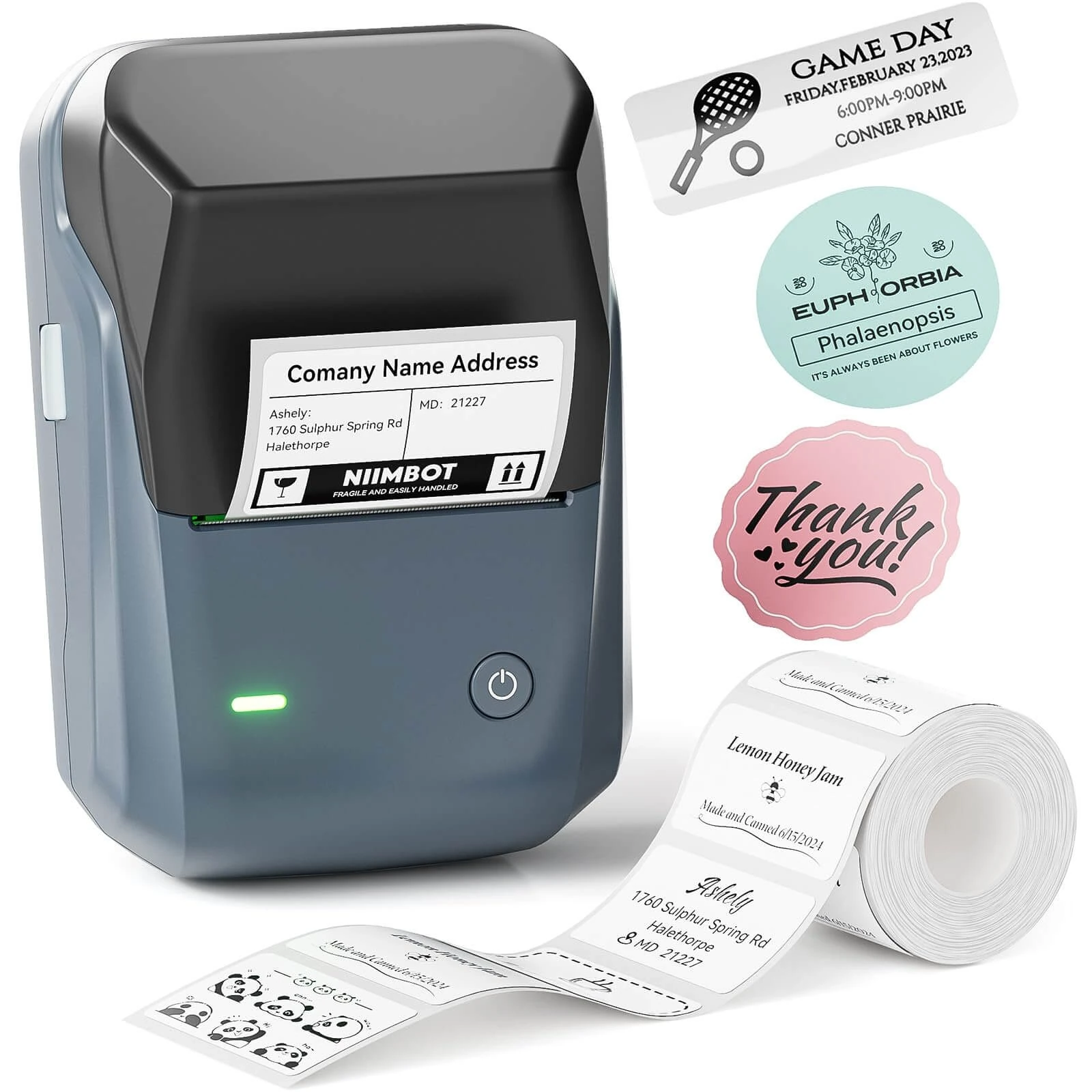
Ready to Give Your Homemade Products a Professional Look?
Whether you're selling cookies, homemade jam, or packaged snacks, the right labels can help your products look organized and recognizable. Explore more labeling solutions from NIIMBOT.
Explore NIIMBOT Products →Frequently Asked Questions
Still have a few questions about packaging homemade food for sale? Here are some extra tips to help you get started.
1. How can I package homemade food for local markets or craft fairs?
Choose packaging that is easy to carry, display, and handle. Keep similar products grouped together, make sure containers are securely closed, and use clear labels so shoppers can quickly identify each item. It's also helpful to prepare extra labels and packaging materials before the event so you can restock easily.
2. How many food labels should I print when starting a homemade food business?
Start with a small batch based on your expected orders and the number of products you currently sell. This lets you test the label design, size, and placement before printing larger quantities. If you regularly change flavors or product details, printing smaller batches can also help reduce unused labels.
3. Can I use the same label design for different homemade food products?
Yes! Using a consistent layout is a great way to build brand recognition. Keep your logo, font style, and overall design consistent, then customize the product name, flavor, and other relevant details for each item. This creates a recognizable product range while making it easier to manage multiple varieties.
A little creativity goes a long way! 🍯
Thoughtful packaging and clear labels can help your homemade food business make a wonderful first impression.