Organizing your medicine at home goes beyond just having an organized cabinet. A growing collection of medicines can make it hard to know what something is for or how it should be stored as well as if it has expired yet.
There are so many types of medicines: tablets, capsules, creams, eye drops, nasal sprays, and first aid products that might all have to go into one place but serve completely different purposes; some for short term symptoms, others for long term needs.
Using a simple labeling system will help keep everything organized and easy to find. Rather than only using the original packaging, create categories with printed labels to highlight key information.
1. Sort medicines into clear categories
Start with what you already have at home before adding labels. Medicines work better if like products go into a specific place rather than all mixed up in one drawer/box.
There's not just one right way to categorise household medicines – find a system which your family will easily understand and use. Organising products based on their purpose, part of the body it is meant for or frequency of usage works well.
Common categories may include:
Cold & Flu · Allergy Relief · Pain Relief · Digestive Care · First Aid · Skin Care · Eye Care · Nasal Care · Vitamins & Supplements
Create different areas for frequently used medicines, short-term medicines and emergency supplies as well. This way it will be easier to know where everything goes – no longer searching your whole cabinet when you want something.
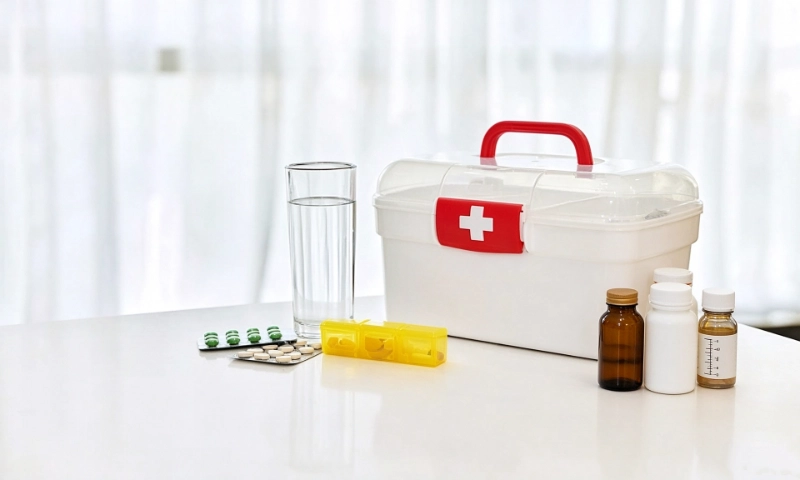
2. Preserve key info when discarding packaging
The original package of many medicines includes more than just the product's name; sometimes there are also the expiration date, strength, directions, storage information, etc., which could be helpful in identifying a product.
But the original box takes up a lot of room, and it's common for people to remove these when they organize their medicine cabinet. When you separate your product from its original packaging, some of the easily visible information might not be readily accessible anymore.
That's why having labels is beneficial: with a little print on a label, we have an instant visual reference to identify a container or show where it should go.
For example:
PAIN RELIEF
Headache / Fever
EXP: 2027-06
Labels should be used as organization aids, not as replacements for original packaging, official medication instructions, prescription information, or professional medical advice. If a medicine cannot be confidently identified, do not rely on a homemade label to determine what it is or how it should be used.
3. Highlight medicine expiration dates
One of the best bits of info to track while organizing medicine at home: expiration dates! Medicines might be sitting in a cabinet for months and then suddenly need to be used; it's easy to forget how old they've become after that point.
Instead of going through all packages from scratch each time you organize your medicine, use a consistent labeling system so that expiration information becomes much easier to spot.
Simple expiration formats:
EXP: 2027-03
EXP: Mar 2027
When placing a new product into your medicine storage area, make sure to verify the expiration information and store them properly within their categories. When organizing at home regularly, take time to look through dates for those which require attention.
Remember as well that there are sometimes extra instructions once opened or certain storage needs – these must follow the manufacturer's information instead of being substituted with a generic expiration label.
4. Label medicines and storage spaces
You don't need to put labels on your medicine containers – they can go on drawers, boxes, shelves or storage compartments too, creating a clear visual system.
For instance: you might divide up your medicine cabinet into sections labeled COLD & FLU, ALLERGY, PAIN RELIEF, EYE CARE, and FIRST AID.
A simple labeling structure:
Storage Area → identifies the category
Product Label → identifies the item
EXP Date → makes expiration information easier to check
Maintaining the same labels through the medicine cabinet helps make understanding of the system simpler. You just add a new product into its appropriate category and create a label with the same format.
5. Update your system easily with a label maker
The medicine organization system that you build doesn't just get created once and left untouched forever. You use products until they're gone; buy new ones; see changes in categories; check expiration dates.
That's where a label maker comes into play! Rather than hand-writing labels or applying mismatched stickers, you can consistently print out labels anytime you need to update your storage system.
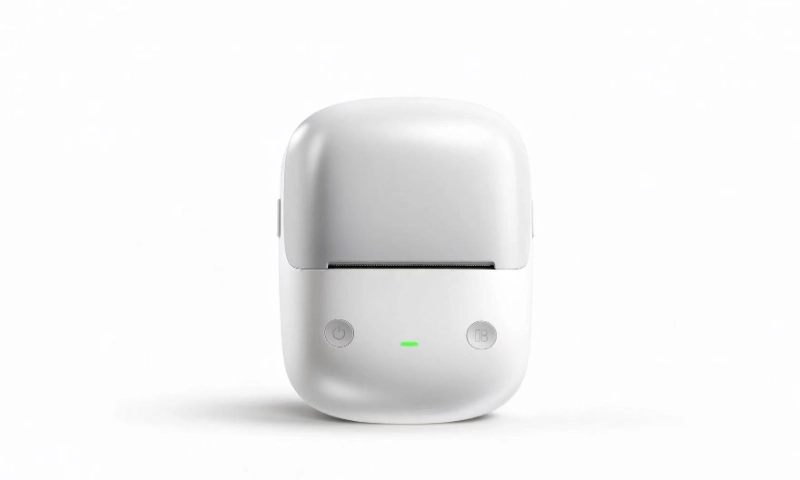
You can use a small label printer like the NIIMBOT B2 to create category labels on medicine drawers, storage boxes, first-aid supplies, and many other places around your home that could benefit from organization. Small printed labels work well if you'd prefer clarity but don't want it to take up too much space.
Create a Medicine Storage System
Mixing up different medicine products makes it hard to know what they're for or check them out. Separating medicines into neat groups and making key info easier to see means that everything in the storage system will be so much easier to handle. Start by creating just a few practical categories, make sure you have expiration dates visible, and use labels to clearly mark every medicine or storage area.
FAQ
1. What information should I put on medicine labels?
A medicine organization label can include the product name, category, and expiration date. Depending on the product, you may also include other useful identification information. However, labels should not replace the original packaging, official instructions, or prescription information.
2. How can I organize medicines with different expiration dates?
Start by sorting medicines into clear categories and make expiration dates easy to see. You can use printed labels to record or highlight expiration information, then review the medicine cabinet regularly to identify products that need attention.
3. Can a label maker be used to organize medicine cabinets?
Yes. A label maker can be used to create category labels for drawers, boxes, shelves, and storage containers, as well as simple identification or expiration-date labels. Using a consistent label style can make the entire medicine storage system easier to maintain and update.