Cosmetic packaging is about more than just looking pretty. Whether you're selling handmade face creams, body butters, scrubs, or skincare products, well-designed labels help your jars look professional and make your brand easier to recognize. But finding the right label printer can be tricky. Let's explore what makes a great cosmetic label, how to choose a printer, and how to create labels that give your products a polished finish.
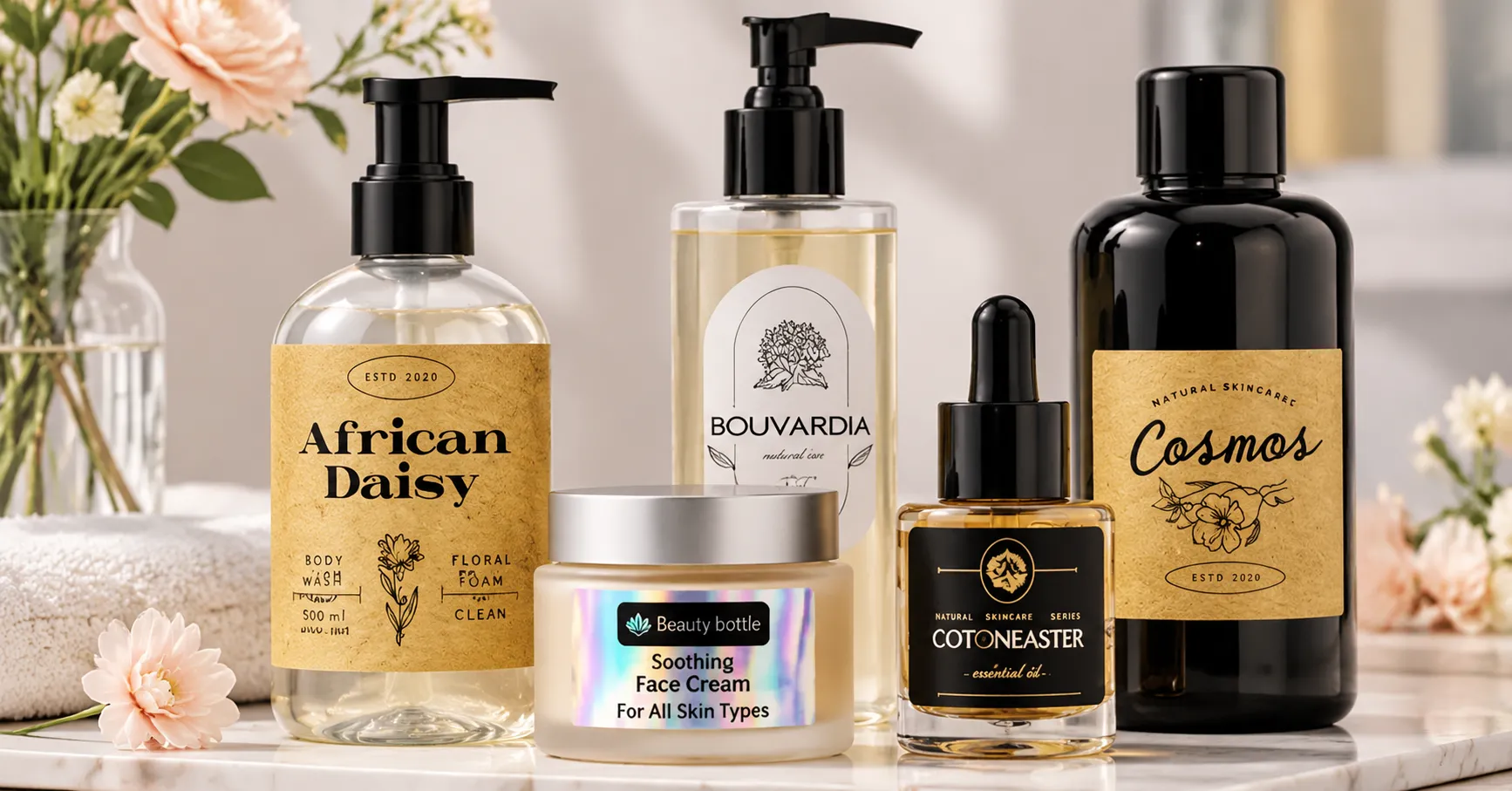
✨ A little packaging tip: Your cosmetic jar label is often the first thing customers notice. A thoughtful design can make even a small-batch skincare product feel like a professional beauty brand.
1. What Makes a Good Cosmetic Jar Label?
A great cosmetic jar label should do two things: look attractive and provide useful product information. Since customers often judge skincare products by their packaging, it's worth spending some time getting the design right. Here are a few details to think about before creating your own labels.
Choose a Design That Matches Your Beauty Brand
Think about the feeling you want customers to get when they pick up your product. A natural skincare brand might look lovely with soft green tones, botanical illustrations, and kraft-style labels. A luxury beauty brand, on the other hand, may prefer clean typography, neutral colors, and subtle metallic details.
Try to keep your logo, fonts, and colors consistent across all your cosmetic jars. You don't need every label to look identical, but customers should be able to recognize that all your products belong to the same brand.
Soft greens, botanical illustrations, kraft textures, and earthy colors.
Clean typography, simple layouts, neutral tones, and plenty of white space.
Elegant fonts, cream backgrounds, subtle gold details, and refined layouts.
Select the Right Label Size and Shape
Not all cosmetic jars are the same. A small lip balm container, a wide face cream jar, and a tall body scrub container each have different labeling needs. Before designing, measure the available surface and consider whether a round, rectangular, or wraparound label would work best.
For small jars, avoid squeezing too much information into a tiny space. A simple logo and product name on the front, with additional details on the side or back, often looks much cleaner. Also, make sure the label fits the jar's curves without wrinkling or lifting at the edges.
Great for product names and detailed information.
Ideal for jar lids and simple brand logos.
Useful for displaying more information around containers.
Pick Materials That Suit Your Cosmetic Products
Cosmetic jars can come into contact with water, oils, lotions, and even alcohol-based ingredients. That's why label material matters just as much as the design. A label that looks beautiful on a dry jar may not perform as well in a bathroom or skincare studio where moisture and product residue are common.
Consider the environment in which your products will be stored and used. For oil-based products, waterproof or oil-resistant label materials are worth exploring. Before ordering a large quantity, test a few labels on your actual jars and check how they hold up during everyday handling.
Apply a sample label to your actual cosmetic jar. Check its appearance after contact with water, lotion, oils, and regular handling before committing to a large batch.
2. What Information Should You Include on Cosmetic Jar Labels?
A beautiful label catches attention, but clear information helps customers make informed choices. The exact requirements depend on your product and the market where you sell it, so always check the applicable cosmetic labeling regulations. Here are some common details worth planning into your design.
Display Your Brand and Product Name Clearly
Your brand name and product name should be among the easiest things to spot. For example, a jar might display your logo at the top, followed by "Lavender Body Butter" or "Vitamin C Face Cream" in a larger font.
Keep the front label uncluttered. Customers should be able to understand what the product is without having to turn the jar around. If you offer several variations, such as rose, lavender, and citrus, use a consistent layout with small color differences to help distinguish each one.
Include Ingredients, Net Weight, and Usage Details
Depending on the product and local regulations, cosmetic labels may need to include an ingredient list, net contents, directions for use, warnings, and responsible business details. Some products may also require additional information, such as batch identification or specific regulatory statements.
Don't try to squeeze everything onto the front of a small jar. Instead, use the main label for the brand and product name, then place supporting information on a back label or a secondary label where appropriate. Keep the text readable and make sure the information is accurate and up to date.
| Label Information | Purpose | Suggested Placement |
|---|---|---|
| Brand & Product Name | Identifies the product | Front label |
| Ingredients | Shows product composition | Back or side label |
| Net Contents | Displays product quantity | Front or secondary label |
| Directions & Warnings | Provides usage guidance | Back or side label |
| Batch Identification | Supports product tracking | Secondary label |
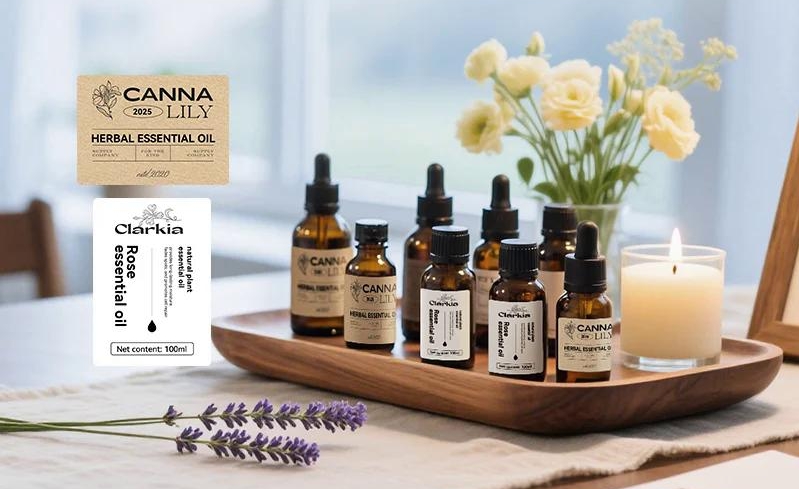
Make Batch Numbers and Product Variations Easy to Identify
If you make skincare products in small batches, batch numbers can make your inventory much easier to manage. They help you distinguish between production runs and support product traceability. You can also use small labels to identify different scents, formulas, or production dates.
For example, your lavender body cream and rose body cream could share the same overall design but have different color accents and product codes. This keeps your product range looking consistent while making it easier for you and your customers to tell products apart.
Lavender Body Cream
Batch: LAV-026
Rose Body Cream
Batch: ROS-026
Citrus Body Cream
Batch: CIT-026
3. How to Choose the Best Label Printer for Cosmetic Jars
Once your label design is ready, the next question is how to print it. The right printer depends on your product range, packaging size, print volume, and the level of customization you need. Let's look at the main features worth comparing before choosing a label printer for your beauty business.
Look for High Print Resolution and Clear Text
Cosmetic labels often contain small details, including ingredient lists, product codes, and usage instructions. A printer with good resolution helps keep these details sharp and readable. This is especially important for small jars, where every millimeter of label space counts.
For example, 300 DPI printing can produce crisp text and detailed graphics for compact labels. Before settling on a printer, try printing a sample with your actual logo and product information. Check the smallest text, fine lines, and barcode readability rather than judging print quality from a large sample alone.
- Small text remains clear and readable.
- Brand logos and fine graphics print cleanly.
- Product codes and barcodes are easy to scan.
- Print results are consistent across multiple labels.
Consider Label Width, Shape, and Material Compatibility
A good cosmetic label printer should work with the label sizes you actually need. Small dropper bottles, round cream jars, and wider skincare containers may require different label dimensions. Check the printer's supported paper width, minimum printing height, and compatible label materials before buying.
It's also worth thinking about the appearance you want. White labels are great for clean, minimalist designs, while matte silver, holographic, and black labels can create a more distinctive look. Just remember that the printer and ribbon must be compatible with the label material you choose.
Matte finishes, metallic colors, and dark label backgrounds can help your cosmetic products stand out. Always check material and ribbon compatibility before printing.
Compare Printing Methods and Everyday Convenience
Thermal transfer and direct thermal printing work differently. Thermal transfer printing uses a ribbon to transfer the image onto a label, while direct thermal printing uses heat-sensitive label material without a ribbon. The best choice depends on your design needs and how your products will be stored and handled.
For a small beauty business, convenient software, easy connections, and flexible label customization can also make a big difference. If you regularly introduce new scents or limited-edition skincare products, being able to update a design and print a small batch whenever needed can save time and reduce unnecessary label stock.
| Feature | Thermal Transfer | Direct Thermal |
|---|---|---|
| Printing Method | Uses a thermal ribbon | Uses heat-sensitive labels |
| Material Choice | Depends on compatible labels and ribbons | Requires compatible thermal material |
| Considerations | Useful for customized label finishes | Simple ribbon-free operation |
Don't choose a printer based on resolution alone. Think about the label sizes, materials, printing frequency, and design flexibility your beauty business actually needs.
4. Create Custom Cosmetic Jar Labels with the NIIMBOT M2
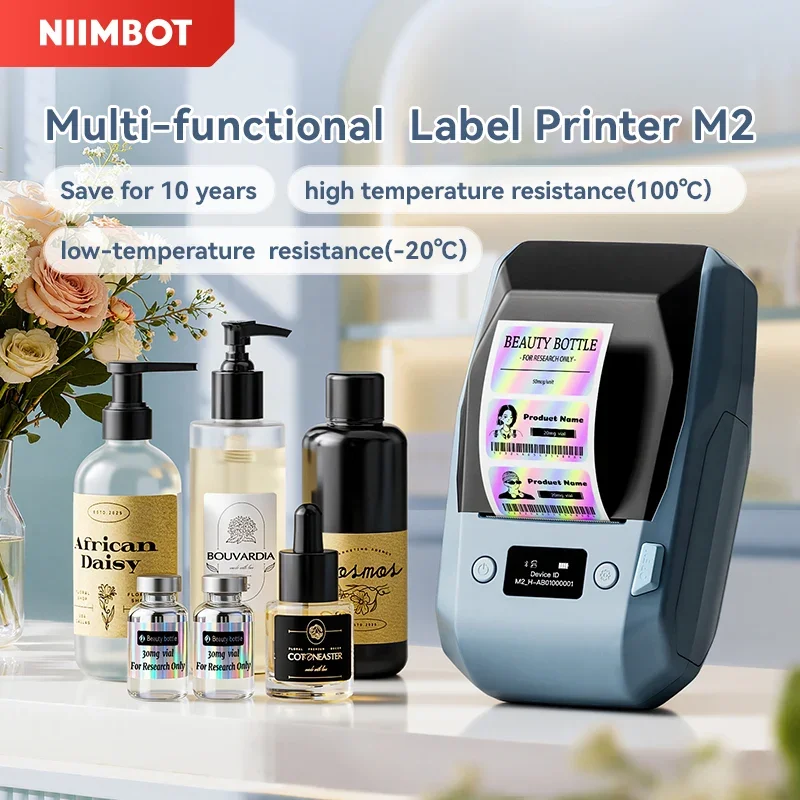
If you're running a small beauty brand or making skincare products in batches, you probably don't want to order hundreds of pre-printed labels every time your packaging changes. The NIIMBOT M2 offers a more flexible approach, combining thermal transfer printing with customizable designs, different ribbon colors, and a range of label materials. Here's how it can fit into your cosmetic labeling workflow.
Discover More Labeling Possibilities with NIIMBOT
From beauty and skincare packaging to everyday organization, explore label makers and creative labeling solutions for your business and home.
Visit NIIMBOT Official Website →Conclusion
Creating attractive cosmetic jar labels doesn't have to be complicated. Start with a consistent brand style, make important product information easy to read, and choose label materials that suit your products. Once you understand your packaging needs, finding the right label printer becomes much easier.
For small beauty brands that want more control over their packaging, a flexible printer like the NIIMBOT M2 can help bring custom label ideas to life, one jar at a time.
A consistent design, clear information, and the right printing tools can help your beauty brand make a lasting impression.
Frequently Asked Questions
1. Can I put labels on cosmetic jar lids as well as the sides?
Yes! Lid labels are a great way to make cosmetic jars easier to identify, especially when products are stored together. Round labels work particularly well on flat jar lids. You can use them for a brand logo, product name, or scent indicator while keeping the side label for more detailed information.
2. How can I prevent cosmetic labels from bubbling during application?
Start with a clean, completely dry jar. Position one edge of the label first, then slowly smooth it across the surface using your fingers or a soft applicator. For curved jars, choose a suitable label shape and size rather than forcing a large, rigid label onto a rounded surface.
3. Should I use different label designs for seasonal cosmetic collections?
Seasonal label variations can make limited-edition products feel special. You can keep your regular logo, typography, and overall layout while changing accent colors, illustrations, or decorative details. This helps create a fresh seasonal look without losing your brand identity.
Explore more labeling ideas and find inspiration for your next beauty product collection.
Discover more at NIIMBOT