Cooking every day might seem like an exhausting task for busy professionals, students living alone, and families with packed schedules. Planning weekly meal prep allows you to get ahead by making some of your meals or ingredients in advance, so they're ready whenever needed.
You don't need to prepare seven identical meals in one day. How to plan weekly meals is just as easy as cooking a couple of main dishes, portioning your ingredients, and setting up a flexible menu for the week.
Benefits of Meal Prep
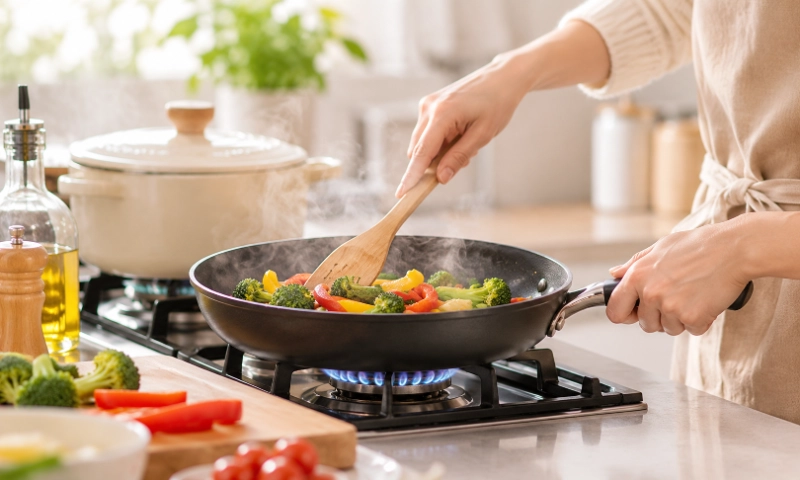
Save Time
Cooking a few meals in advance saves you from cooking and cleaning during busy weekdays.
Save Money
Meal planning with what you already have reduces unnecessary shopping and takeout.
Reduce Decision Fatigue
Less time wondering what you'll have for dinner after work or school with a weekly menu.
Manage Your Diet
Cooking your own meals allows you to better manage portions as well as incorporate vegetables, protein, and staples into them.
Main Ingredients Storage Time
| Food | Approximate Storage Time |
|---|---|
| Cooked whole meats, fish, and poultry | 3–4 days |
| Soups and stews | 3–4 days |
| Cooked rice & other staples | Up to 5 days |
| Cooked vegetables, refrigerated | Up to 1 week |
| Butter and cheese | Up to 3 week |
Plan short life foods at the start of the week; reserve some foods to freeze for later when planning your weekly meals. Portion prepared meals in separate bags or containers when you are storing them in the refrigerator so as not to have to continually thaw and re-freeze the same food. Ensure each portion is well-sealed to help prevent odors from mixing and keeping your food fresh.
Create a Meal Prep Plan for the Week
Check Your Refrigerator and Pantry
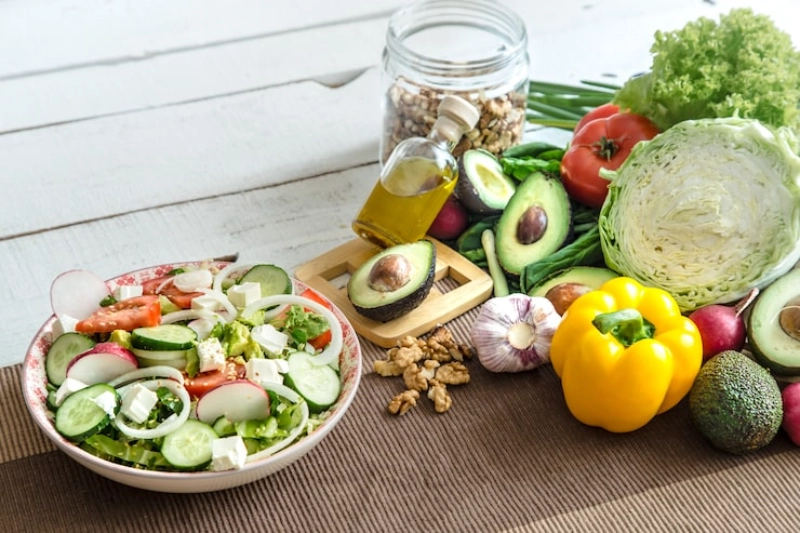
Look at what you already have before shopping. Use vegetables, grains, meat, beans, etc., which are going to be used soon.
Plan Your Weekly Menu
Plan your menu around what you have; buy only what you still need. Include vegetables, protein and staples for balanced meals.
Use Shorter-Life Foods First
Plan fresh veggies, seafood or any food with a short life span early in the week and reserve foods that freeze well for later.
Choose One Day for Meal Prep
Choose a weekend day and cook several things at once. While waiting on your soup to finish cooking, wash some veggies – while roasting them, prep grains or portion out others.
Portion, Label, and Refrigerate
Portion
When preparing your meals, split them up into single servings according to what you will be eating for each meal. Use different containers or bags so that it is easy to grab meals throughout the week without having to open/reheat a large batch multiple times.
Label
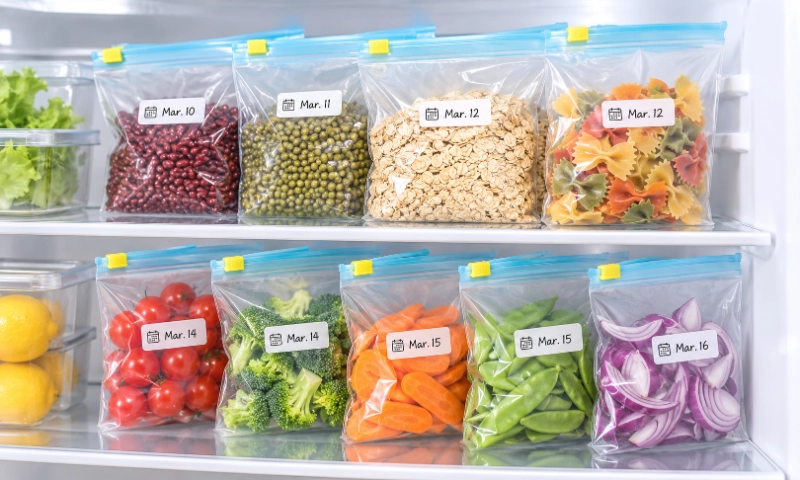
Simply add a label for each part, so that you know what's in there and when it was prepared. Simple date labels make it easy to see what's in the fridge and track your meal prep without having to rely on memory.
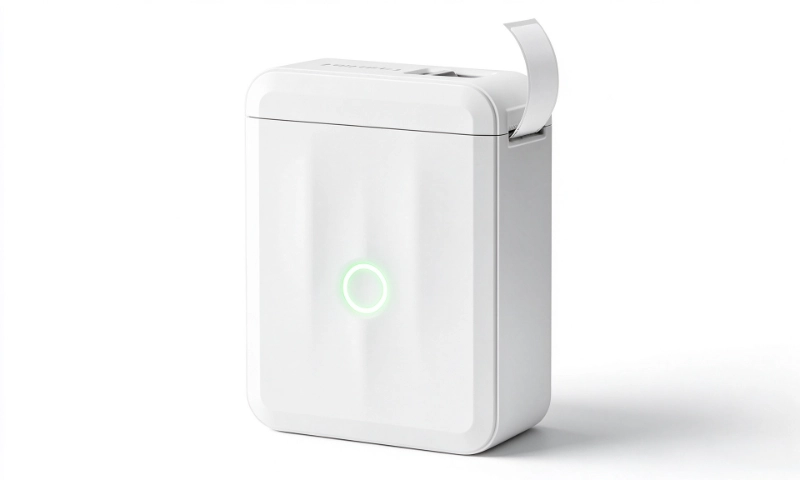
The NIIMBOT D110 can print labels on your food storage bags and containers so that you know when food is prepared and when it should be used. Using the NIIMBOT app you can set these dates and easily print them out in a label.
Refrigerate
Store prepared meals in your refrigerator or freezer depending on what they need. When storing food for the refrigerator, it's best to divide up meals into individual sealed bags or containers so you don't have to repeatedly thaw them out and mix up any odors. Ensure that all portions are properly sealed to help keep the food fresh and organized.
A Simple Weekly Meal Prep Routine
- Check what you already have.
- Plan meals using these ingredients.
- Shop only for what is needed.
- Cook multiple ingredients simultaneously.
- Portion meals in containers.
- Label prep/use by dates.
- Store food appropriately (refrigeration/freeze).
Final Thoughts
Meal prepping once per week will help transform cooking from an everyday choice into a regular weekly process. Checking what you already have; planning meals based on existing ingredients; using up shorter life items first; and preparing multiple things simultaneously saves time, reduces food waste, controls spending and makes balancing meals much simpler.
There is no need to complicate everything. Just some prepared ingredients with appropriate storage containers and good labeling will go far in making your week much easier.
Try doing a few meals for the first half of the week if this is new to you instead of going all-in for a 7 day plan right away. As soon as you find something that works within your schedule, meal prep becomes a simple, repeatable task during your week.
FAQ
Meal prep saves you time, money (takeout), reduces decision-making about what to eat, minimizes food waste, makes it easy to have balanced meals all week long.
It's helpful to know when you prepared food and how long it will last. Some foods store better than others; date labels are one way that you can track your meals and make your refrigerator work more efficiently.
Yes. You can also print labels on your food storage containers/bags using the D110. With the help of the NIIMBOT app, you are able to customize details like preparation dates or use-by dates which is very useful in everyday meal prep and kitchen organization.